Taste is not what you think it is: AI didn't create the "taste"problem, it just exposed it
When a client's "strong visual preference" turns out to be just the dashboard of their car, you realize: familiarity wears taste's clothes. In a world drowning in AI-generated options, true taste isn't a vibe or an inherited trait—it's a learned language. Here is how to build the framework for real design judgment.
Familiarity isn't taste
A few years ago, a client asked me to make his website black and orange. He was certain about it. Confident. It felt like taste to him: a clear visual preference, a strong direction.
On the drive home afterward, he offered me a ride. I sat in his Audi, and there it was: the dashboard. Black interface, orange typography. The exact palette he'd been pushing for. He'd been staring at it every day for years. He genuinely didn't know he was replicating it.
That's not taste. That's familiarity wearing taste's clothes.
Taste is a learned language
Taste is a language. And languages are learned. Unless it’s your mother tongue, nobody is born speaking French. You acquire it through immersion, repetition, making mistakes, correcting them, absorbing the rhythm of how things fit together until it starts to feel natural. Eventually you stop translating in your head. The language becomes intuition.
Taste works exactly the same way. If you grew up surrounded by well-designed objects, considered typography, intentional spaces your eye learned to recognize what works without you being aware of the training. Conversely, if your reference pool is narrow, your taste reflects that pool. Like my client and his Audi. His instinct wasn't wrong, it was just limited to a sample size of one.
This is why taste can't be inherited, but it absolutely can be developed. And this is exactly what the current conversation around AI and design keeps getting wrong.
AI exposed the problem, it didn't create it
AI didn't create the taste problem. It exposed it. Suddenly everyone can generate. The output is faster and cheaper than ever but knowing which one is right and why is the entire job. Adam Wathan and Steve Schoger make this point quietly throughout Refactoring UI: good design decisions aren't arbitrary, they're reasoned. There are principles underneath every good choice: about hierarchy, contrast, spacing, color relationships and once you understand the principles, your instincts sharpen. You stop guessing and start seeing.
That's what taste actually is. Not preference. Not vibes. A trained framework for judgment.
The danger of taste as buzzword
Pablo Stanley said it clearly: designers should be paying attention not to the word, but to what's underneath it. The risk is letting people who learned the word last Tuesday take over the conversation. People who think taste means picking the least-bad option from three AI-generated screens.
That's pattern matching without understanding the pattern. It's ordering from a menu you can't read and hoping for the best. Real taste means you can articulate the choice. You know why the orange and black worked for the Audi dashboard high contrast, legibility in low light, a cockpit logic. And you know why it would be wrong for a financial services website trying to communicate trust. Same palette. Completely different answer.
How to develop taste
Immerse yourself deliberately. This is the language acquisition part. Study things you didn't make: the references you accumulate become your vocabulary.
Work with constraints. Wathan and Schoger's entire Refactoring UI is built on this: constraints force decisions, and decisions build judgment. When you can't fall back on "just make it bigger" or "add more color," you have to understand what you're actually trying to communicate.
Argue about work you admire. Taste sharpens in conversation. Trying to explain why something works forces you to find the principle underneath the instinct.
And expose your reasoning. When you make a design decision, say why. Out loud, in a document, in a crit. The moment you have to justify a choice, you discover whether it's real taste or just familiarity.
The trained eye
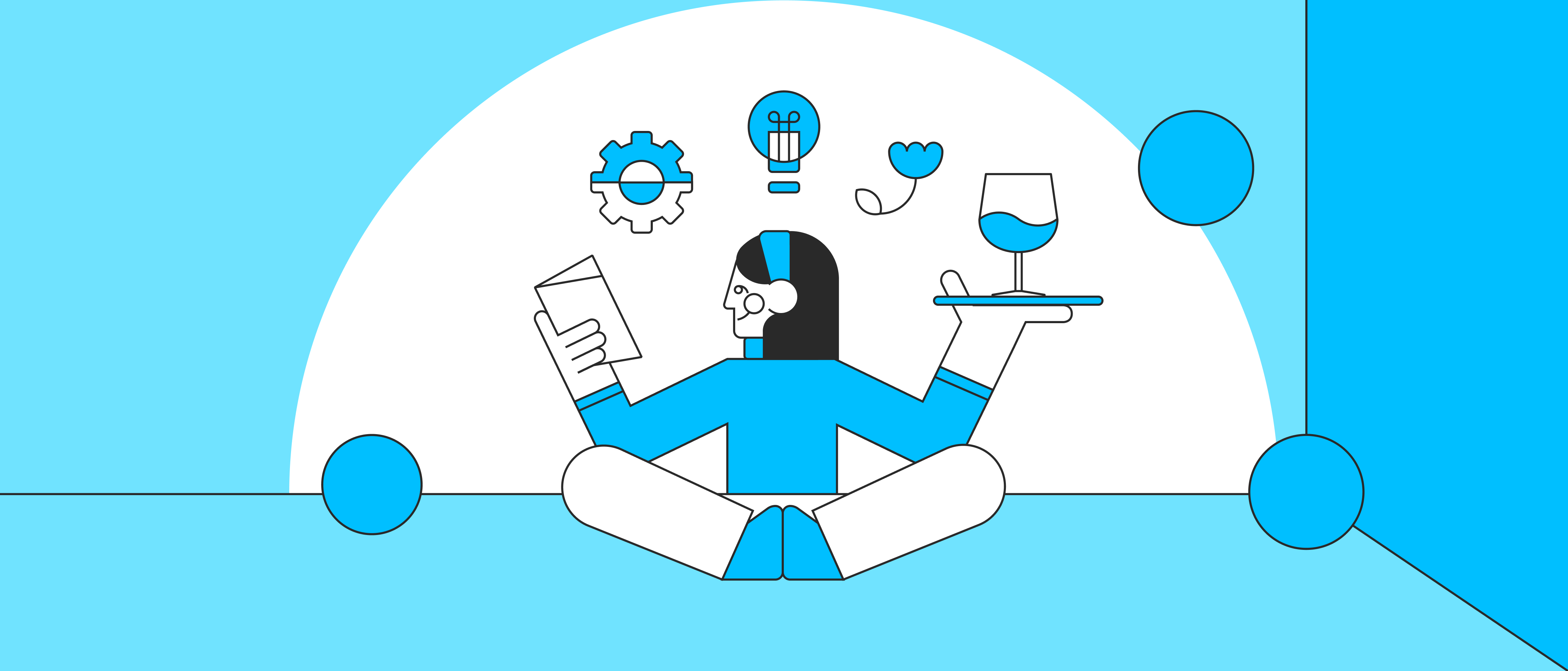
The sommelier didn't inherit her palate. She developed it. Thousands of hours of tasting, comparing, being wrong, refining. Now she can tell you the region, the year, the conditions of the harvest—from the glass.
That's not magic. It's accumulated exposure and deliberate practice, codified into instinct. Designers who've done the work have exactly this. A trained eye for what serves the problem, what respects the user, what will hold up beyond the deck. In a world drowning in generated options, that discernment is the actual product.
The client's Audi had a perfectly designed dashboard. He just didn't know what he was looking at. You need to know what you're looking at.